

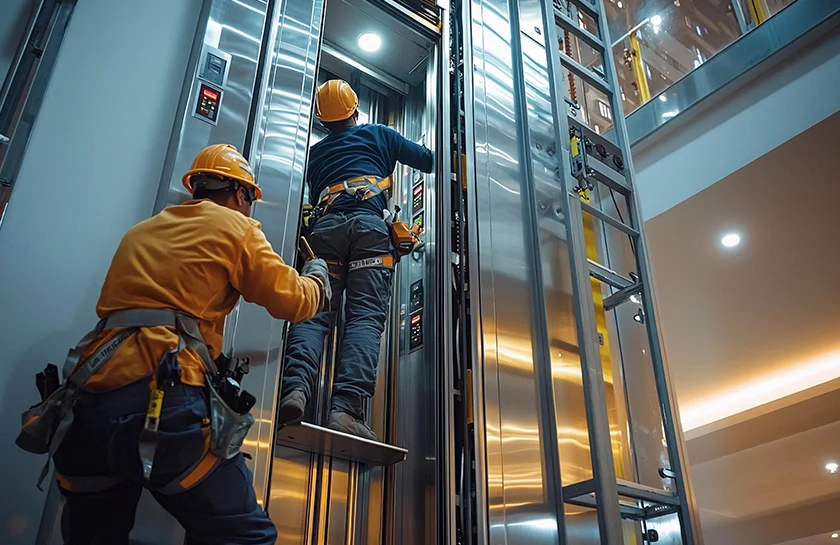
In modern commercial buildings, vertical transportation systems like elevators and car lifts are essential for daily operations. From high-rise offices and shopping complexes to hotels and hospitals, these systems ensure smooth and efficient movement of people and vehicles. However, when not properly maintained, they can pose serious mechanical risks. That’s why regular Elevator Inspection and Car Lift Inspection play a critical role in ensuring safety, reliability, and compliance.
Elevators and car lifts operate through a complex combination of mechanical, electrical, and
hydraulic components. Over time, wear and tear can lead to serious malfunctions if not
addressed promptly. One of the most common risks is brake failure, which can result in
uncontrolled movement or sudden drops. Similarly, worn-out cables or hoist ropes can weaken the
system’s ability to carry loads safely.
Another major concern is misalignment in guide rails, which can cause jerky movement, unusual
vibrations, or even derailment in extreme cases. Faulty door mechanisms are also a frequent
issue, leading to doors not closing or opening properly, increasing the risk of accidents. In
hydraulic lifts, oil leakage and pressure imbalance can compromise lifting efficiency and
safety.
Ignoring these issues not only increases the risk of accidents but can also lead to costly
repairs, downtime, and legal liabilities for building owners. This is why routine inspections are
not optional; they are essential.
A thorough Elevator Inspection ensures that every component of the system is functioning
correctly and safely. Professional inspections go beyond basic maintenance checks and focus on
identifying potential failures before they occur.
Regular inspections help in detecting early signs of wear in critical components such as motors,
brakes, and control systems. They also ensure that safety mechanisms like emergency brakes,
alarms, and backup power systems are fully operational. For commercial buildings with high foot
traffic, consistent inspections are key to preventing unexpected breakdowns and ensuring
uninterrupted service.
While elevators transport people, car lifts are responsible for moving heavy vehicles, making
their safety requirements even more critical. A detailed Car Lift Inspection focuses on
load-bearing components and structural integrity.
Inspectors evaluate whether the lift can handle its rated capacity without strain. They also
check hydraulic systems, lifting platforms, and locking mechanisms to ensure vehicles remain
stable during operation. Any imbalance or weakness in these components can result in severe
accidents, including vehicle falls or structural damage.
Routine inspections also help maintain efficiency, ensuring smooth lifting and lowering without
sudden jerks or delays.
Professional inspections follow a comprehensive checklist to ensure every aspect of the lift
system is evaluated. These checklists are designed to identify both visible and hidden issues
that could compromise safety.
Mechanical components are inspected thoroughly, including hoist ropes, pulleys, gears, and
bearings. Inspectors check for signs of wear, corrosion, or misalignment. The braking system is
tested to ensure it can stop the lift effectively under all conditions.
Electrical systems are another critical focus area. Inspectors examine control panels, wiring,
sensors, and emergency systems to ensure proper functioning. Any loose connections or faulty
circuits are identified and corrected.
Door operations are carefully assessed to ensure smooth opening and closing, along with proper
functioning of safety interlocks. In addition, lubrication levels are checked to minimize friction
and prevent overheating of moving parts.
For hydraulic lifts, the inspection includes checking fluid levels, pressure systems, and potential
leaks. Structural elements such as the lift frame, platform, and support structures are also
examined for cracks or damage.
Relying on Third Party Inspection Services
adds an extra layer of reliability and transparency
to the inspection process. Independent inspectors provide unbiased evaluations, ensuring that all
safety standards and regulations are met without compromise.
These services are particularly valuable for commercial buildings, where compliance with safety
regulations is mandatory. Third-party experts bring specialized knowledge, advanced tools, and
industry experience to identify risks that may be overlooked during routine maintenance.
They also provide detailed inspection reports, highlighting potential issues and recommending
corrective actions. This documentation is crucial for audits, insurance requirements, and regulatory
compliance.
To maintain high safety standards, building owners and facility managers should adopt a proactive
approach. Scheduling regular Elevator Inspection and Car Lift Inspection is the first step.
Inspections should be conducted at defined intervals based on usage and manufacturer
recommendations.
Timely maintenance and immediate repair of identified issues are equally important. Delaying repairs
can escalate minor problems into major hazards. Keeping a detailed record of inspections, maintenance
activities, and repairs helps in tracking the system’s performance over time.
Training staff to identify early warning signs, such as unusual noises, slow operation, or irregular
movements, can also prevent accidents. Additionally, partnering with reliable Third Party Inspection
Services ensures that all safety protocols are consistently followed.
Vertical transportation systems are a vital part of commercial infrastructure, but they come with
inherent mechanical risks if not properly maintained. Regular Elevator Inspection and Car Lift
Inspection help identify potential issues early, ensuring safe and efficient operation.
By following professional inspection checklists and leveraging Third Party Inspection Services, building
owners can minimize risks, enhance safety, and ensure compliance with regulations. Ultimately, investing
in proper inspection and maintenance is not just about avoiding accidents, it's about creating a safe and
reliable environment for everyone who uses these systems every day.



Design :