Industrial cleaning and maintenance have evolved significantly over
the years, with high-pressure water jetting becoming one of the most efficient and environmentally
friendly solutions across sectors such as oil and gas, construction, marine, manufacturing, and
petrochemicals. However, while this technology offers exceptional cleaning power, it also presents
serious safety risks when operated without proper knowledge and training.
Waterjet safety is one of the specialist disciplines in Lifeline's industrial safety training in Dubai.
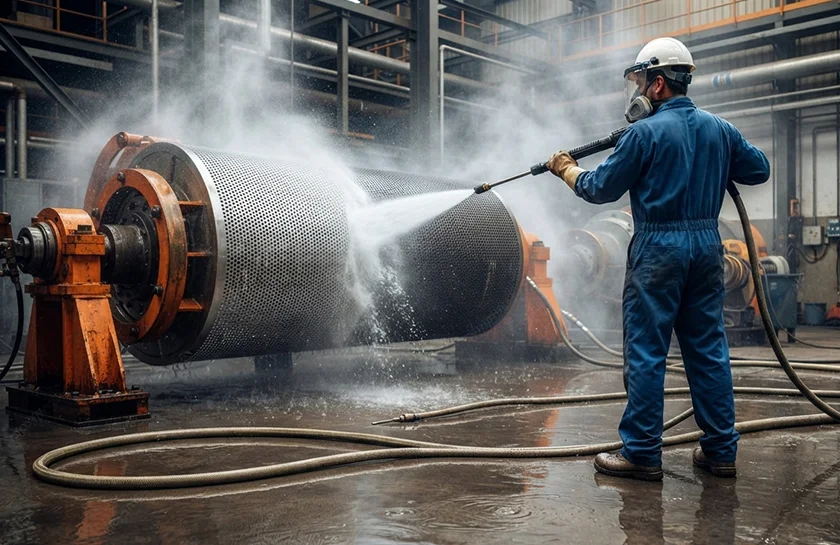
A high-pressure water jet can operate at tens of thousands of PSI, making it capable of cutting through tough deposits, coatings, and even concrete. The same force can also penetrate skin, damage equipment, and cause life-threatening injuries within seconds. This is why High Pressure Waterjet Safety Training in Dubai is not merely a recommendation; it's a critical requirement for protecting workers, ensuring regulatory compliance, and maintaining efficient industrial operations.Dubai’s industrial sector continues to grow rapidly, with increasing demand for skilled
professionals who can safely operate specialized equipment. High-pressure water jetting is widely
used for industrial cleaning, surface preparation, pipeline maintenance, tank cleaning, and hydro
demolition. Because these tasks involve extremely high-pressure equipment, the margin for error
is minimal.
A single mistake whether it’s an improperly fitted hose, incorrect nozzle selection, or failure
to wear suitable protective equipment can result in severe injuries, equipment damage,
environmental hazards, or costly project delays.
A comprehensive training program combines classroom learning with practical demonstrations, ensuring participants understand both the theoretical and operational aspects of high-pressure water jetting.
Every training program begins with the fundamentals of water jetting systems. Participants learn
how pumps, hoses, nozzles, fittings, pressure regulators, and accessories function together to
deliver safe and efficient cleaning performance.
Understanding equipment limitations, pressure classifications, and operational procedures helps
reduce accidents caused by misuse or mechanical failure.
One of the most valuable components of High Pressure Waterjet Safety Training in Dubai is
learning how to identify workplace hazards before beginning any operation.
Participants are trained to recognize common risks, including:
- Hose whip
- Flying debris
- High-pressure injection injuries
- Confined space hazards
- Slippery work surfaces
- Equipment malfunction
- Poor visibility and restricted work areas
Learning to conduct proper risk assessments helps prevent accidents before they occur.
Personal Protective Equipment serves as the final barrier between workers and potential hazards.
Training covers the correct selection, inspection, and use of:
- Waterproof protective suits
- High-pressure safety gloves
- Face shields and safety goggles
- Safety helmets
- Hearing protection
- Steel-toe safety boots
Operators also learn when different PPE levels are required based on water pressure, work environment,
and project requirements.
Proper operating techniques significantly reduce workplace incidents.
Training focuses on:
- Pre-operation equipment inspections
- Safe hose handling
- Correct nozzle positioning
- Pressure testing procedures
- Safe body positioning
- Communication between operators and supervisors
- Establishing exclusion zones around work areas
These procedures improve both operator safety and equipment performance.
Regular inspection is essential for preventing unexpected equipment failures. Participants learn how to identify worn hoses, damaged fittings, faulty seals, pressure leaks, and other issues before equipment is put into service. Proper maintenance not only enhances safety but also extends the lifespan of expensive industrial equipment.
Despite careful planning, emergencies can still occur.
Professional High Pressure Waterjet Safety Training in Dubai prepares workers to respond quickly and effectively
to situations such as:
- High-pressure injection injuries
- Hose rupture
- Equipment failure
- Chemical exposure
- Emergency shutdown procedures
- First-response actions before medical assistance arrives
Fast and informed action during emergencies can significantly reduce injury severity.
This training is suitable for professionals working in various industrial sectors, including:
- Industrial cleaning operators
- Oil and gas professionals
- Construction workers
- Plant maintenance technicians
- Marine and offshore personnel
- Manufacturing employees
- Safety officers
- Project supervisors
- Industrial contractors
Even experienced operators should attend refresher courses regularly to stay updated with changing industry standards
and safety practices.
Investing in employee training delivers long-term operational benefits beyond regulatory compliance.
Organizations that prioritize High Pressure Waterjet Safety Training in Dubai often experience:
- Reduced workplace accidents
- Lower equipment repair costs
- Improved employee confidence
- Better productivity
- Reduced downtime
- Enhanced regulatory compliance
- Lower insurance claims
- Stronger workplace safety culture
A properly trained workforce not only protects lives but also contributes to more efficient and profitable
operations.
Many industrial accidents involving high-pressure water jetting are entirely preventable. Most occur because
of inadequate training, poor hazard awareness, incorrect equipment handling, or failure to follow established
safety procedures.
High-pressure water jetting should never be approached without formal instruction. Investing in professional
High Pressure Waterjet Safety Training in Dubai ensures operators understand the risks, follow industry best
practices, and perform their duties safely and efficiently.
For employers, it’s one of the most effective ways to protect workers, reduce liability, and maintain
uninterrupted operations.
As Dubai continues expanding its industrial, marine, construction, and energy sectors, the demand for qualified and safety-conscious waterjet operators continues to rise. Proper training is no longer just about meeting regulations, it's about building a safer, more productive workplace where employees have the confidence and skills to perform high-risk tasks responsibly.



Design :