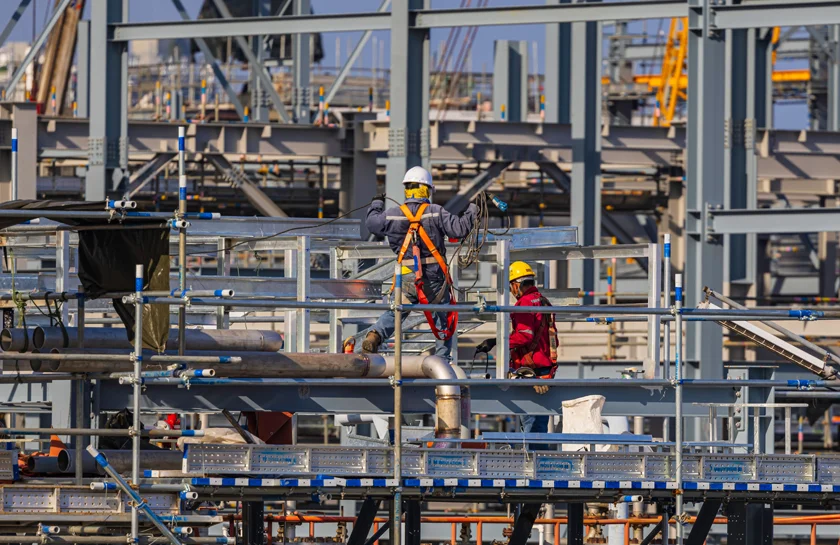
In industries where hazards are part of daily operations, ensuring the safety of workers is not just a responsibility, it is a necessity. Health, Safety, and Environment (HSE) training plays a crucial role in protecting employees, preventing accidents, and maintaining compliance with legal and industry standards. With the rapid industrial growth in the UAE, especially in cities like Dubai, the demand for professional Health and safety training Dubai has increased significantly. For sectors such as construction, oil and gas, manufacturing, mining, chemicals, and logistics, HSE training is the backbone of a safe and efficient workplace.
One of the primary goals of HSE training is accident prevention. Through structured safety
programs, workers learn how to use equipment correctly, wear appropriate personal protective
equipment (PPE), and follow standard operating procedures. This significantly reduces the
likelihood of workplace incidents such as falls, fires, chemical exposure, or equipment
failures.
When employees are trained to recognize unsafe conditions and report hazards early,
organizations can take corrective actions before accidents occur. This proactive approach
not only saves lives but also minimizes downtime, compensation claims, and damage to equipment
or infrastructure.
Most countries have strict occupational health and safety regulations that organizations must
follow. In the UAE, regulatory authorities require companies to provide proper safety training
for their employees. Failure to comply can result in heavy fines, legal action, or suspension of
business operations.
By maintaining certified training programs and proper documentation, companies demonstrate their
commitment to legal compliance and corporate responsibility.
HSE training helps build a strong safety culture within an organization by embedding safety
into daily work practices. When employees clearly understand safety procedures and risk management,
they become more aware of their responsibilities and more committed to protecting both themselves
and their colleagues. This shared sense of responsibility creates a safer and more disciplined work
environment.
A well-trained workforce is more confident, alert, and engaged in their tasks. Employees feel
empowered to identify hazards, report unsafe conditions, and take corrective actions without
hesitation. This leads to improved teamwork, stronger communication across all levels, and higher
overall productivity, as workers can focus on their jobs without fear or uncertainty.
In high-risk environments, emergencies such as fires, chemical leaks, explosions, or equipment
failures can occur without warning. HSE training prepares workers to respond calmly and effectively
through emergency drills, first aid training, and evacuation procedures.
Quick and correct responses during emergencies can prevent minor incidents from turning into major
disasters.
HSE is not only about human safety, it also focuses on environmental protection. Employees are
trained in waste management, pollution control, spill prevention, and sustainable practices, ensuring
that daily operations are carried out responsibly.
This helps organizations reduce their environmental impact, prevent ecological damage, and maintain
compliance with environmental regulations while promoting long-term sustainability.
Although HSE training requires an initial investment, it leads to significant long-term financial
benefits. Fewer workplace accidents result in lower medical expenses, reduced insurance premiums,
and minimal legal risks, helping organizations save costs over time.
Companies with strong safety systems also build a positive reputation in the industry. This enhances
trust among clients and partners, improves brand credibility, and opens the door to more business
opportunities and sustainable growth.



Design :