


Every office, shop, restaurant, and warehouse relies on electrical equipment: kettles, laptops, extension
leads, printers, power tools. Because these items are used and moved daily, they wear out faster than
fixed wiring. A frayed cable or a faulty plug can go unnoticed until it causes a shock, a fire, or an
unexpected shutdown.
This is where Portable Appliance Testing (PAT) helps. It is a systematic process of inspecting and testing
electrical appliances to confirm they are safe to use. For companies across the UAE, investing in a
PAT test in Dubai is a practical way to
protect people, property, and profits.
Here are five reasons why it matters:
The most important reason for PAT testing is safety. Faulty appliances can cause electric shocks, burns,
and serious injuries. Many of these risks are invisible: damaged insulation inside a cable or a loose
internal connection may not show on the outside.
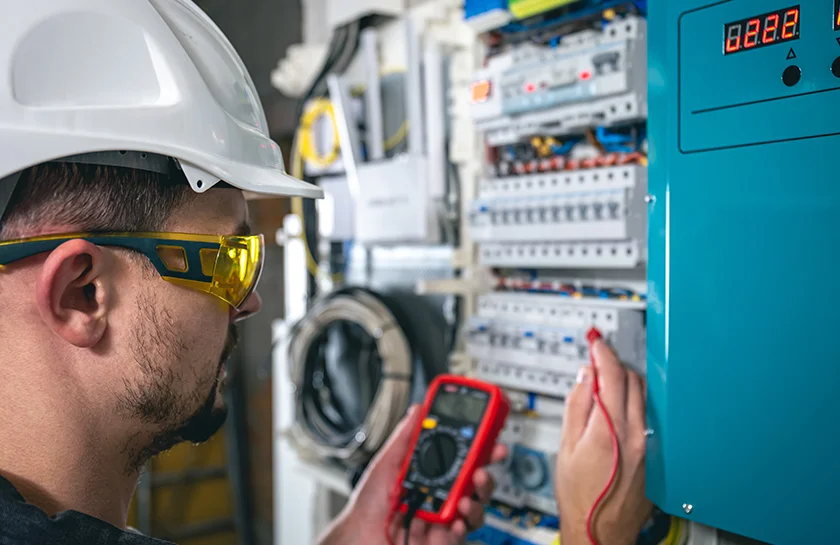
A trained engineer performs a visual inspection, then uses specialised instruments to check earth continuity,
insulation resistance, and leakage. These checks reveal hidden faults that a casual look would miss. Regular
pat testing tests also catch problems early, before a minor defect becomes a workplace accident.
For businesses that welcome the public, such as hotels, cafes, salons, and retail stores, the responsibility
extends further. Customers expect a safe environment, and well-maintained equipment is part of that promise.
Electrical faults are among the leading causes of fires in commercial premises. Overloaded sockets,
overheated plugs, and deteriorating cables are common culprits, especially in busy workplaces where
equipment runs for long hours. In a climate like Dubai's, where air conditioning and cooling equipment
work almost constantly, electrical systems face extra strain.
Routine testing identifies appliances that are overheating, drawing too much current, or showing signs of
insulation breakdown. Replacing or repairing these items promptly lowers the chance of a fire that could
damage your premises, destroy stock, and interrupt operations for weeks or months. Compared with the cost of
fire damage and lost trading time, the price of testing is small.
Businesses in the UAE are expected to maintain safe working conditions, and many insurers, landlords, and
facility managers ask for proof that electrical equipment has been checked. Having proper records makes
these conversations simple.
After testing, each appliance is typically labelled as passed or failed, and a detailed report is prepared.
Obtaining a PAT test certificate Dubai
businesses can present to auditors, insurers, or property managers shows that you take safety seriously and
follow good practice. This documentation also helps during tenancy inspections, safety audits, and tender
applications where clients ask about your health and safety standards.
Keeping a clear record also helps you track which items are due for retesting, so nothing slips through the
gaps.
Some business owners see electrical testing as an extra expense, but it often works the other way. Regular
testing helps you spot equipment that is deteriorating, so you can repair it cheaply before it fails completely.
It also prevents the damage a faulty appliance can do to connected devices, such as a power surge ruining a computer
or point-of-sale system.
There are financial risks beyond equipment, too. An incident caused by unsafe equipment can lead to compensation
claims, higher insurance premiums, repair bills, and lost revenue while you are closed. A planned testing schedule
turns unpredictable emergencies into manageable, budgeted maintenance.
Testing can also extend the working life of your assets. When you know the condition of every appliance, you can
make smarter decisions about what to keep, repair, or replace.
Safety is closely tied to credibility. Clients, partners, and staff notice when a business invests in doing
things properly. Visible test labels on equipment signal that you value people's wellbeing, and that message builds
confidence.
For employees, a safe workplace improves morale and reduces anxiety about the tools they use every day. For customers
and partners, it shows professionalism and reliability. In competitive markets, these small signals can influence
whether someone chooses to work with you or move on.
Companies that handle sensitive or high-value operations, such as clinics, data centres, hospitality venues, and
construction firms, benefit even more, since the consequences of equipment failure are greater.
There is no single answer. The right interval depends on the type of equipment, where it is used, and how heavily it is handled. Portable and frequently moved items, such as power tools and extension leads, need more frequent checks than a desktop computer that stays on one desk. A qualified testing provider can assess your premises and recommend a schedule that fits your risk level.
When selecting a provider, look for qualified engineers, calibrated testing equipment, clear reporting, and minimal disruption to your operations. A good provider will explain results in plain language, tag each appliance, and advise on any repairs or replacements needed.
Portable appliance testing is a simple, affordable habit that delivers real returns: safer workplaces, fewer fire
risks, stronger compliance records, lower long-term costs, and a better reputation. Whether you run a small office or
a large commercial site, scheduling a PAT test in Dubai
is a smart step toward protecting everything you have built.
Don't wait for a fault to force the issue. Book a professional inspection, keep your records up to date, and make
electrical safety a regular part of how your business operates.



Design :