
Clean and safe water is essential for public health, making water tank cleaning and pipeline disinfection a critical responsibility for building owners, facility managers, and maintenance contractors across Dubai. With strict regulations governing water hygiene and quality, organizations must ensure that their personnel are properly trained to perform these tasks safely and effectively. Understanding the legal requirements and the importance of professional training can help businesses maintain compliance while protecting the health of residents, employees, and visitors.
Water storage tanks and distribution pipelines can gradually accumulate sediment, biofilm,
bacteria, algae, and other contaminants. Over time, these contaminants can compromise water
quality and create potential health risks. Dubai’s hot climate can further accelerate microbial
growth in poorly maintained water systems, making regular cleaning and disinfection an essential
part of building maintenance.
Routine cleaning removes accumulated dirt and debris, while disinfection helps eliminate harmful
microorganisms that may be present within tanks and pipelines. Together, these processes help
ensure that water remains safe for drinking, cooking, bathing, and other daily uses.
Dubai has established clear guidelines for maintaining water storage and distribution
systems in hygienic condition. Building owners and facility operators are expected to ensure
that water tanks are inspected, cleaned, and disinfected at regular intervals. Authorities also
emphasize proper record-keeping, water quality testing, and the use of approved cleaning methods
and disinfection chemicals.
Compliance is particularly important for residential buildings, hotels, healthcare facilities,
educational institutions, and commercial properties where large numbers of people depend on safe
water supplies. Failure to maintain water systems properly can lead to health concerns, regulatory
penalties, and reputational damage.
Water tank cleaning and pipeline disinfection involve much more than basic cleaning procedures.
Technicians must understand water contamination risks, approved disinfection methods, chemical
handling practices, and safety protocols. They also need to know how to inspect tanks, identify
potential hazards, carry out effective cleaning procedures, and verify that the system is safe for
use after disinfection.
Professional training equips workers with the knowledge and practical skills needed to perform
these responsibilities according to industry standards and regulatory expectations. It also helps
organizations maintain consistency in service quality while reducing operational and safety risks.
Training is particularly valuable for companies that provide water tank cleaning and disinfection
services. Their technicians are directly responsible for carrying out cleaning operations,
conducting inspections, and maintaining documentation required for compliance.
Facility management companies also benefit significantly from this training. Their teams often
oversee the maintenance of residential towers, commercial complexes, hotels, and industrial facilities,
making a solid understanding of water hygiene management essential.
Building maintenance personnel and engineering staff can use this knowledge to monitor water systems
more effectively and identify issues before they become serious problems. Hotels and hospitality
establishments rely on trained personnel to maintain high standards of guest safety and satisfaction,
while hospitals, schools, and public facilities require strict water hygiene practices to protect
vulnerable populations.
A comprehensive water tank cleaning and pipeline disinfection training program usually begins with an
introduction to water hygiene principles and the causes of water contamination. Participants learn how
contaminants enter storage systems and how regular maintenance helps prevent health risks.
The training then focuses on inspection procedures, cleaning techniques, disinfection methods, chemical
handling, and water quality monitoring. Participants are also taught how to conduct pipeline flushing,
perform chlorination procedures, collect water samples, and maintain accurate service records. Many programs
include practical demonstrations that allow trainees to apply their knowledge in real-world scenarios.
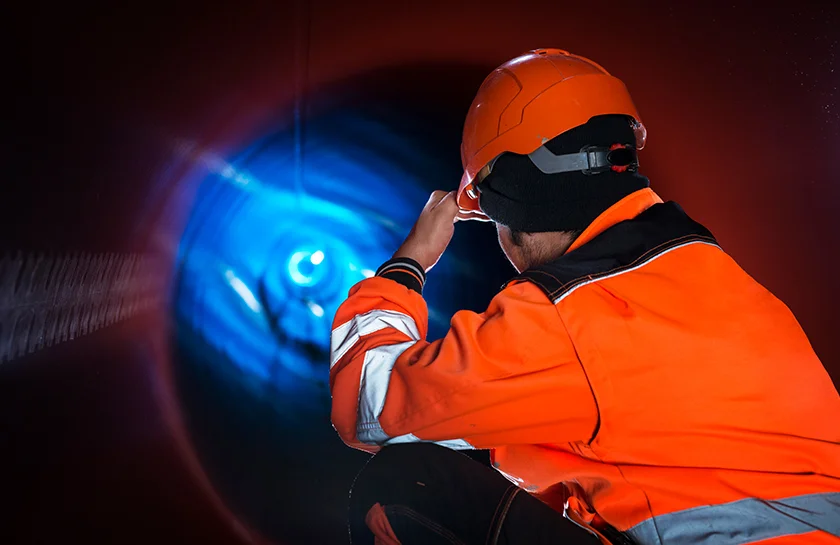
Safety is a major component of water tank cleaning and pipeline disinfection training because technicians
frequently work in confined spaces and handle disinfectants that require careful management. Training helps
workers understand the importance of personal protective equipment, safe chemical usage, emergency response
procedures, and workplace hazard identification.
By following established safety protocols, organizations can reduce the likelihood of accidents while ensuring
that cleaning and disinfection activities are carried out efficiently and responsibly.
Investing in professional training delivers benefits that extend beyond regulatory compliance. Well-trained
personnel are better equipped to maintain water quality, reduce contamination risks, and perform their duties
safely. Organizations also benefit from improved operational efficiency, greater client confidence, and a
stronger reputation for quality service.
For service providers, having trained and qualified staff can enhance credibility and improve eligibility for
commercial contracts where compliance and technical competence are important selection criteria.
Water tank cleaning and pipeline disinfection play a vital role in maintaining safe and hygienic water
systems throughout Dubai. As regulations continue to emphasize proper maintenance, testing, and documentation,
organizations must ensure that their teams possess the necessary knowledge and skills to meet these
requirements.
Whether you operate a water tank cleaning company, manage commercial properties, oversee facility maintenance,
or work within the hospitality, healthcare, or education sectors, professional training provides the foundation
for regulatory compliance, operational excellence, and public health protection. By investing in the right
training programs, businesses can contribute to safer water systems while meeting the standards expected in one
of the world’s most highly regulated urban environments.



Design :